



The world’s most populous countries shape global economics, labor markets, urban growth, and political influence. As of 2026, India is the most populous country in the world, followed by China and the United States.
Introduction
Population size is one of the clearest indicators of a country’s scale and influence. Large populations can create major opportunities for workforce growth, domestic markets, and innovation, but they also bring pressure on housing, infrastructure, education, and healthcare.
This ranking is based on current population estimates from widely used global data sources.
Top 10 most populous countries
| Rank | Country | Population (2026) |
| 1 | India | 1,476,625,576 |
| 2 | China | 1,412,914,089 |
| 3 | United States | 349,035,494 |
| 4 | Indonesia | 287,886,782 |
| 5 | Pakistan | 259,299,791 |
| 6 | Nigeria | 242,431,832 |
| 7 | Brazil | 213,562,666 |
| 8 | Bangladesh | 177,818,044 |
| 9 | Russia | 143,394,458 |
| 10 | Ethiopia | 138,902,185 |
Country-by-country overview
1. India
India is the most populous country in the world, with a population of about 1.47 billion in 2026. Its population growth, youthful demographics, and expanding economy make it one of the most important countries globally.

2. China
China remains the second-most populous country, with more than 1.41 billion people. Although its population growth has slowed, it still has enormous global influence due to its market size and industrial strength.
3. United States
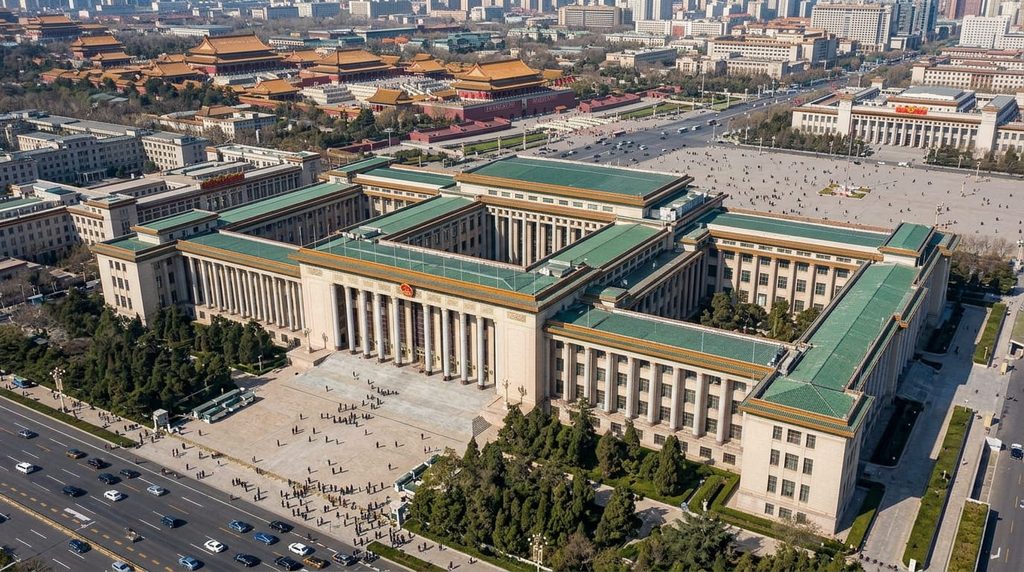
The United States ranks third with roughly 349 million people. It combines a large population with high economic output, making it a major consumer market and geopolitical power.

4. Indonesia
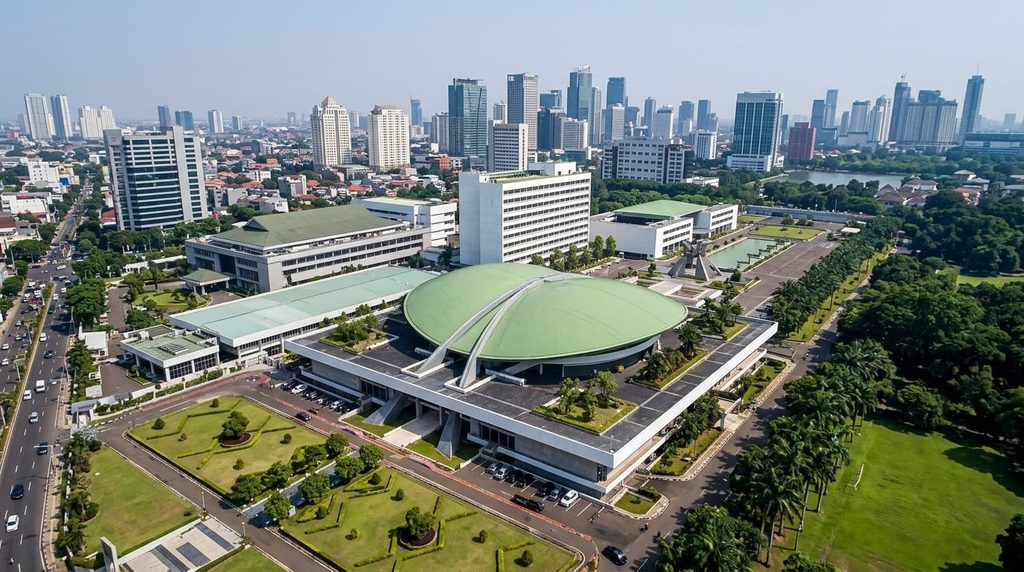
Indonesia is the world’s fourth-most populous country and the largest in Southeast Asia. Its population is spread across thousands of islands, creating unique challenges in development and connectivity.
5. Pakistan
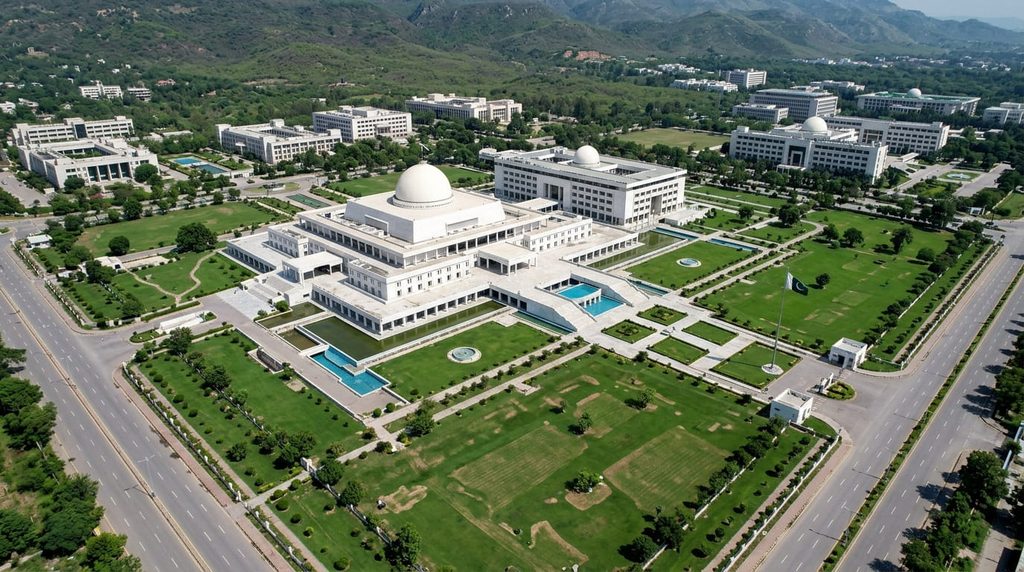
Pakistan ranks fifth and continues to grow rapidly. Its young population gives it strong labor potential, but it also increases the need for jobs, education, and urban planning.
6. Nigeria
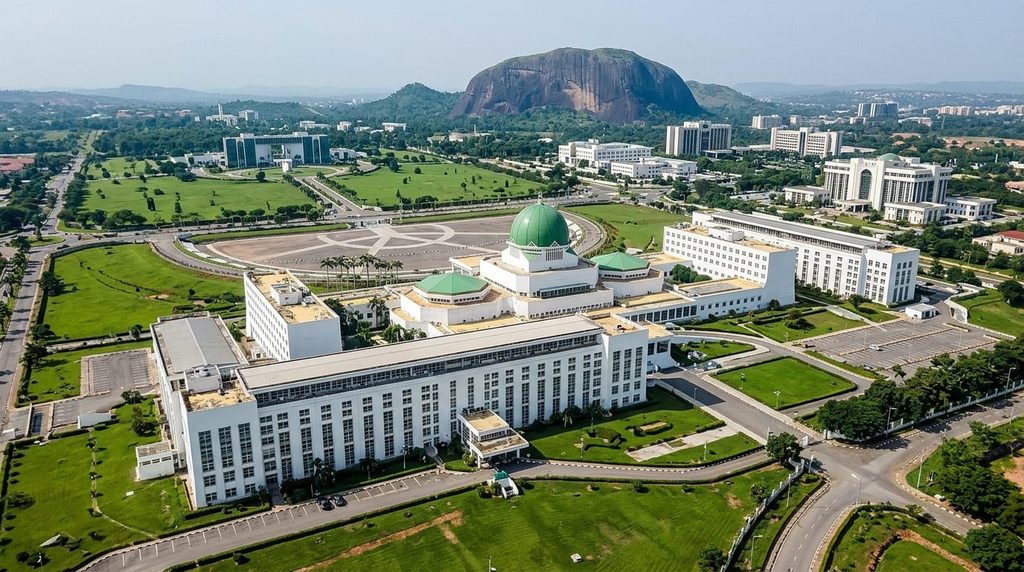
Nigeria is Africa’s most populous country and one of the fastest-growing large populations in the world. Its demographic growth is expected to give it greater influence in Africa and beyond.
7. Brazil
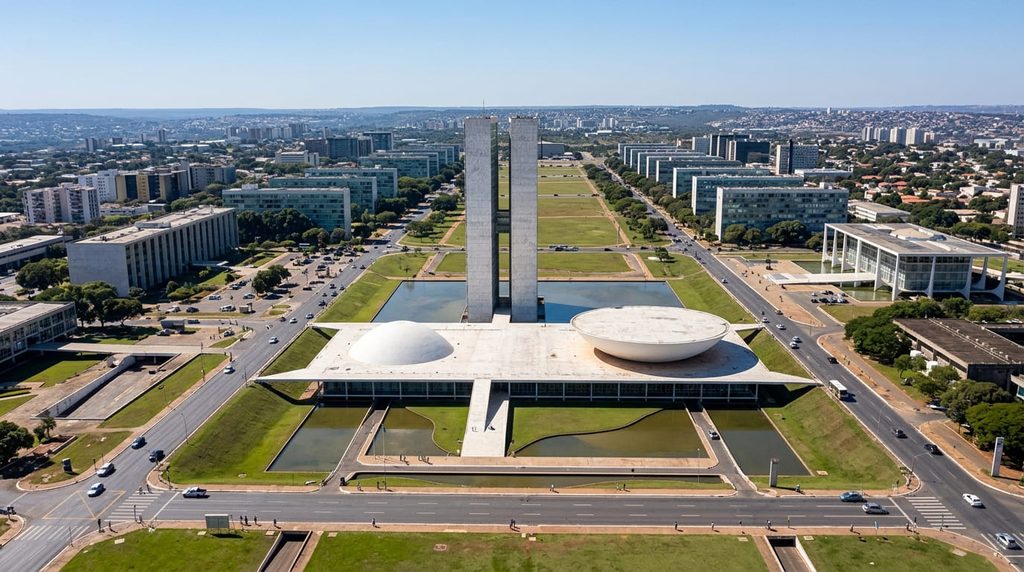
Brazil is the most populous country in South America. Its large population supports one of the biggest consumer markets in the region and contributes to its regional leadership.
8. Bangladesh
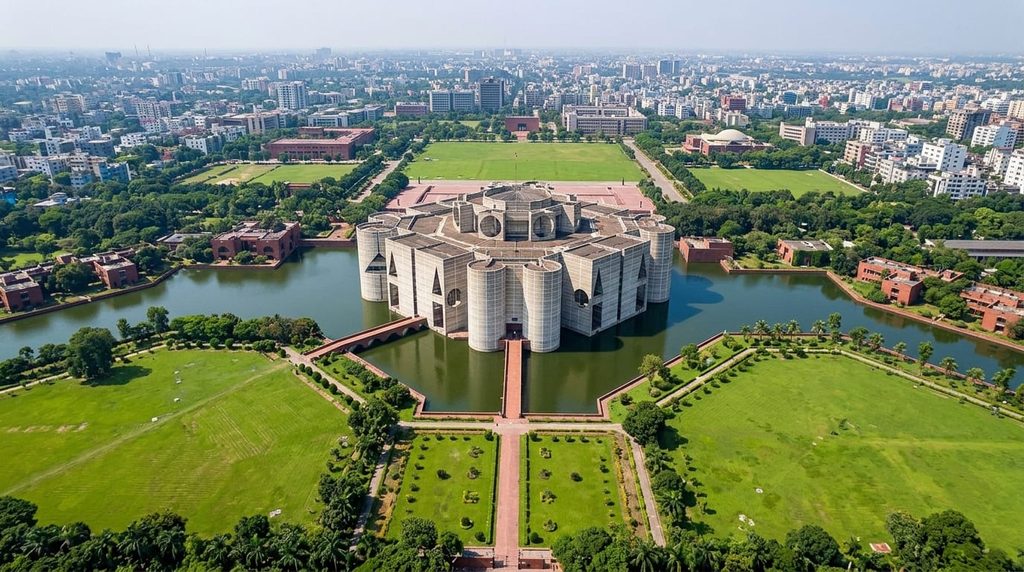
Bangladesh has one of the highest population densities among major countries. Despite its smaller land area, it has a very large population concentrated in a compact geography.
9. Russia
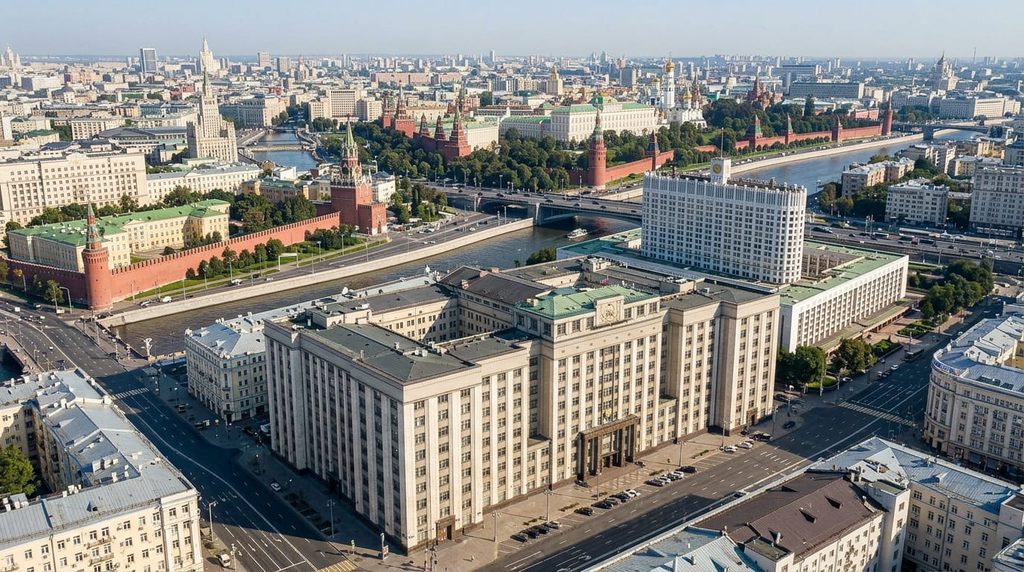
Russia ranks ninth in population, far below its huge land area ranking. Its population is relatively small compared with its territory, which makes distribution and regional development important issues.
10. Ethiopia
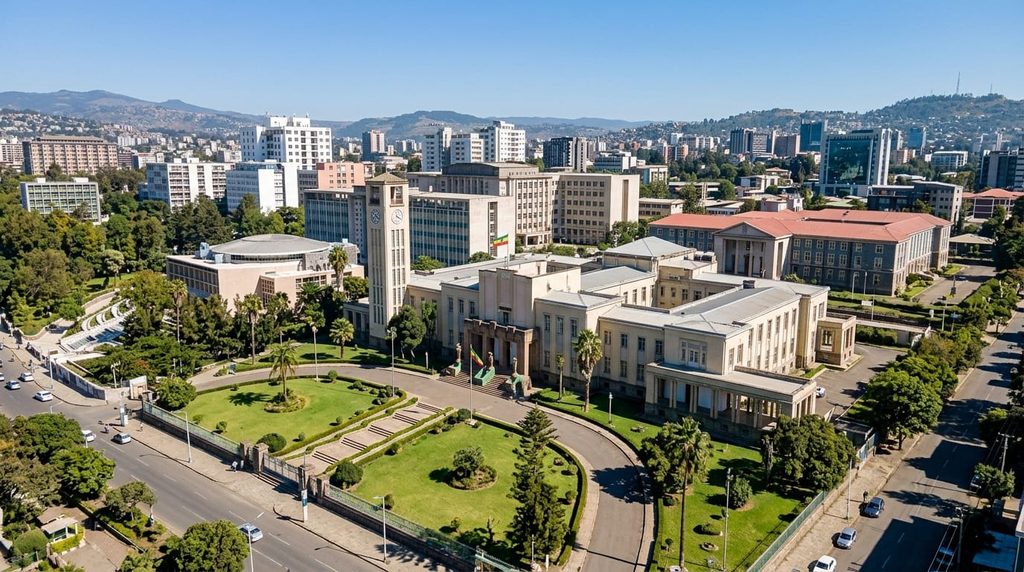
Ethiopia completes the top 10 and stands out as one of Africa’s most populous nations. Its rapidly growing population is shaping the country’s long-term economic and infrastructure needs.
Why population rankings matter
Population rankings matter because they reveal market size, workforce potential, and social pressure. Countries with large populations often play bigger roles in trade, manufacturing, digital adoption, and global politics.
At the same time, population growth can be a challenge if infrastructure, food systems, and public services do not keep pace. That is why population data is closely watched by governments, businesses, and researchers.
Population trends to watch
India’s lead reflects both large birth cohorts and continued demographic momentum. China’s population growth has slowed and may continue to face pressure from aging and lower fertility.
Several countries in the top 10, including Nigeria, Pakistan, and Ethiopia, are expected to see strong future growth. That means the global population map may continue to change significantly over the next few decades.
Conclusion
The world’s top 10 largest countries by population are led by India and China, followed by the United States and a group of fast-growing emerging economies. These countries hold major importance because their population size shapes economic power, workforce strength, and long-term development trends.