

The Indian freedom movement was never one unified struggle directed by a single ideology or organization. It brought together revolutionaries, political leaders, social reformers, writers, activists, soldiers, and ordinary citizens. Their methods varied widely: some pursued non-violent civil disobedience or constitutional resistance, while others turned to revolutionary action and armed struggle. Each, in a different way, contributed to the broader fight for independence.
These freedom fighters helped awaken national consciousness among Indians. Through speeches, movements, writings, protests, organizations, and personal sacrifice, they inspired millions to oppose colonial rule and call for self-determination. Their efforts often demanded a heavy personal price: imprisonment, exile, persecution, and, in some cases, death.
From Mahatma Gandhi and Subhas Chandra Bose to Bhagat Singh and Sardar Vallabhbhai Patel, the figures remembered today belong to different chapters of India’s long struggle for independence. Here are 10 of the most influential freedom fighters in Indian history, along with their major contributions and the lasting legacy each left behind.
India’s independence movement against British colonial rule was shaped by countless patriots. Still, a small group of leaders stands apart for the depth of their impact. Drawing on historical records and widely accepted accounts, this is an overview of India’s 10 leading freedom fighters, their contributions, and the legacies they left behind.
1. Mahatma Gandhi (1869–1948) – The Father of the Nation

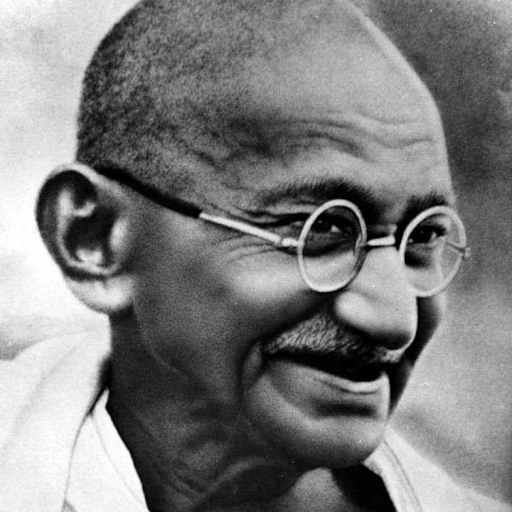
Mohandas Karamchand Gandhi, widely revered as the “Father of the Nation,” developed non-violent resistance, or Satyagraha, and civil disobedience into methods of mass mobilization. His major campaigns—Champaran Satyagraha (1917), the Non-Cooperation Movement (1920), the Salt March (1930), and the Quit India Movement (1942)—brought millions together across caste, class, and religious divisions. The principles of truth and non-violence that guided Gandhi shaped India’s freedom struggle and went on to inspire civil rights movements around the world.
2. Subhas Chandra Bose (1897–1945) – Netaji
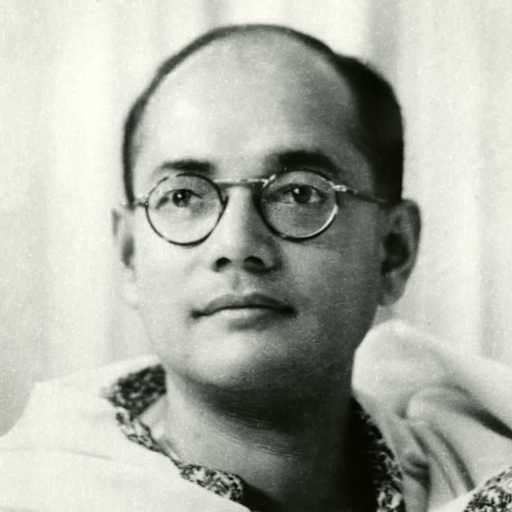
Subhas Chandra Bose, known affectionately as “Netaji,” argued for a more forceful path to India’s liberation. He founded the Indian National Army (INA) to overthrow British rule through armed struggle, declaring famously, “Give me blood, and I will give you freedom.” With his charisma and leadership, Bose became a symbol of revolutionary patriotism, particularly for young people and soldiers.
3. Bhagat Singh (1907–1931) – Shaheed-e-Azam
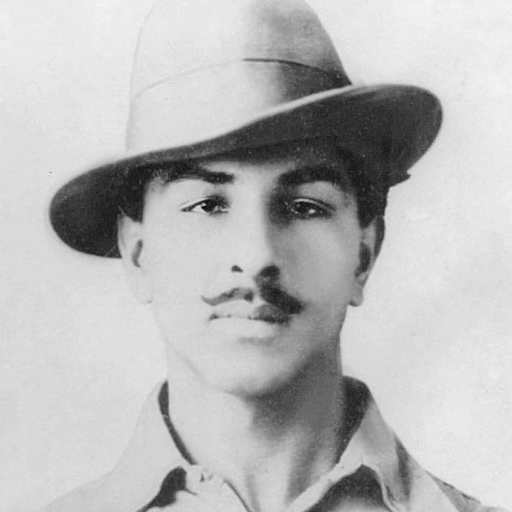
Bhagat Singh remains one of India’s most iconic revolutionary martyrs. Alongside comrades like Rajguru and Sukhdev, he carried out bold actions such as the assassination of British officer John Saunders and the bombing of the Central Legislative Assembly in 1929 to protest repressive laws. His execution at age 23 turned him into a timeless symbol of youthful defiance and sacrifice.
4. Sardar Vallabhbhai Patel (1875–1950) – The Iron Man of India

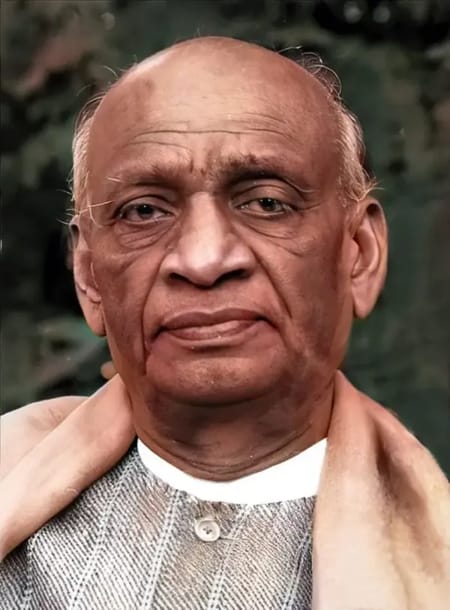
Known as the “Iron Man of India,” Sardar Patel helped bring more than 560 princely states into the Indian Union after independence. His leadership had already been tested in movements such as the Bardoli Satyagraha (1928), which opposed excessive taxation and revealed his organizational strength and determination. Later, as India’s first Deputy Prime Minister and Home Minister, he established much of the new nation’s administrative foundation.
5. Jawaharlal Nehru (1889–1964) – Architect of Modern India

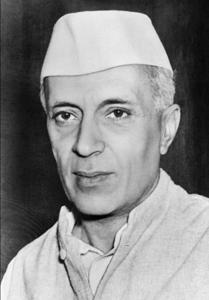
Jawaharlal Nehru, India’s first Prime Minister and a close associate of Gandhi, was one of the freedom movement’s key strategists. He helped shape the vision of an independent, secular, democratic India and was central to movements such as Quit India. After independence, his focus on science, education, and industrialization strongly influenced the country’s direction.
6. Rani Lakshmibai of Jhansi (1828–1858) – The Warrior Queen

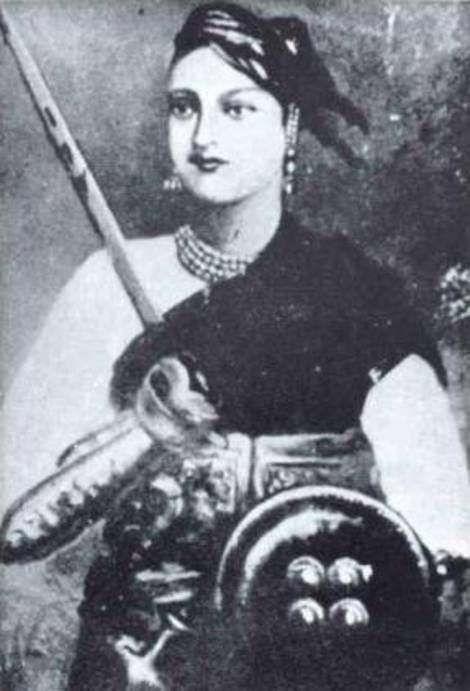
Rani Lakshmibai became a formidable leader during the Revolt of 1857, known as India’s First War of Independence. When the British refused to accept her adopted son as the heir, she went to war and commanded her troops in battle. In time, she came to represent resistance and women’s valor, and her legacy still inspires generations, particularly through stories of women’s courage in Indian history.
7. Bal Gangadhar Tilak (1856–1920) – Lokmanya

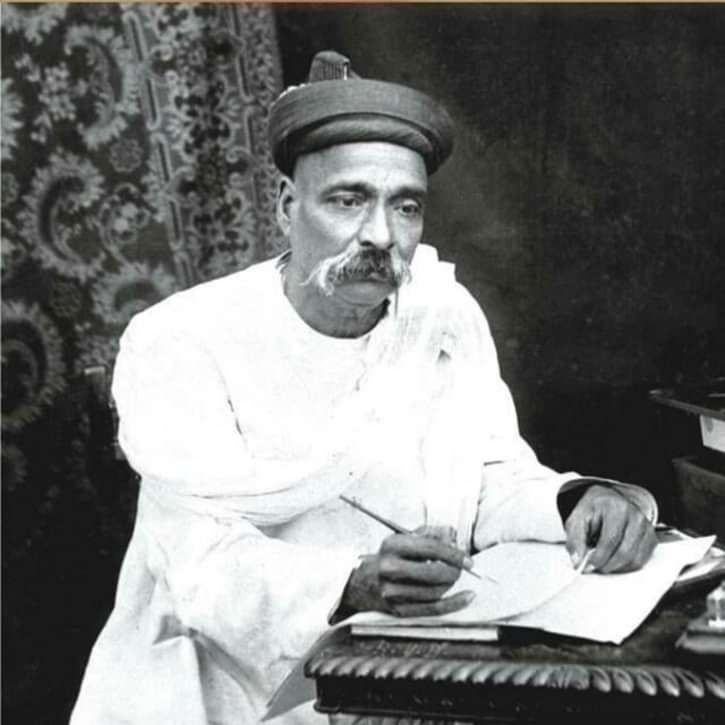
Bal Gangadhar Tilak, known by the title “Lokmanya” (accepted by the people), was one of the earliest leaders to declare, “Swaraj (self-rule) is my birthright.” Through newspapers such as Kesari and Maratha, he circulated nationalist ideas, while festivals including Ganesh Chaturthi and Shiv Jayanti helped him mobilize the masses. His radical position and stress on self-reliance provided the ideological foundation for later mass movements.
8. Lala Lajpat Rai (1865–1928) – Punjab Kesari

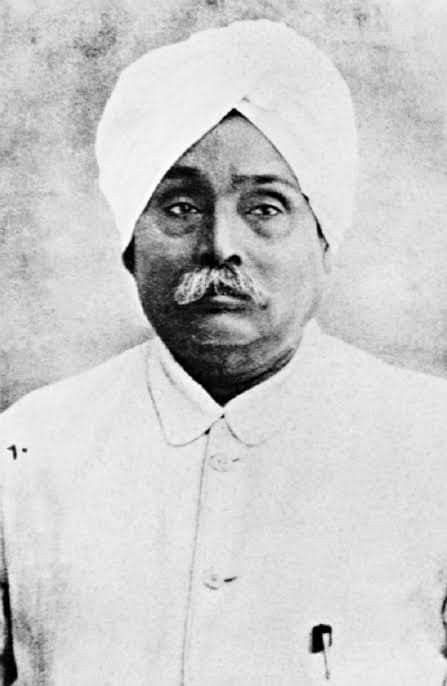
Lala Lajpat Rai, known as “Punjab Kesari” (Lion of Punjab), was a fiery orator and advocate of Swadeshi (indigenous goods). He protested against the Simon Commission in 1928 and suffered a fatal lathi charge, becoming a martyr for the cause. Along with Tilak and Bipin Chandra Pal, he formed the influential “Lal-Bal-Pal” trio that pushed the Congress toward more assertive nationalism.
9. Chandrashekhar Azad (1906–1931) – The Revolutionary
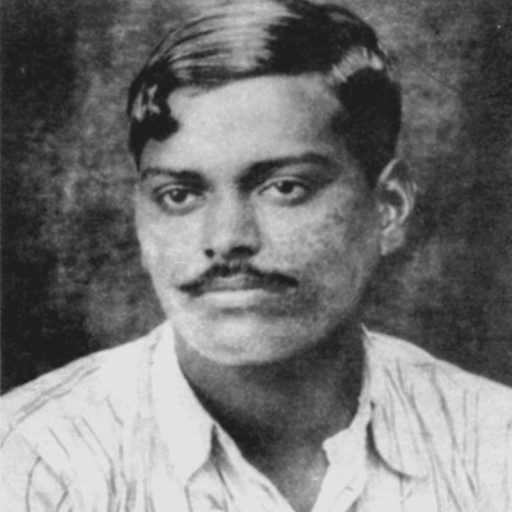
Chandrashekhar Azad was a key figure in the Hindustan Socialist Republican Association (HSRA) and a close associate of Bhagat Singh. He participated in daring actions like the Kakori Train Robbery (1925) to fund revolutionary activities. Vowing never to be captured alive, Azad died in a shootout with police in Allahabad in 1931, embodying the spirit of uncompromising resistance.
10. Mangal Pandey (1827–1857) – The First Martyr


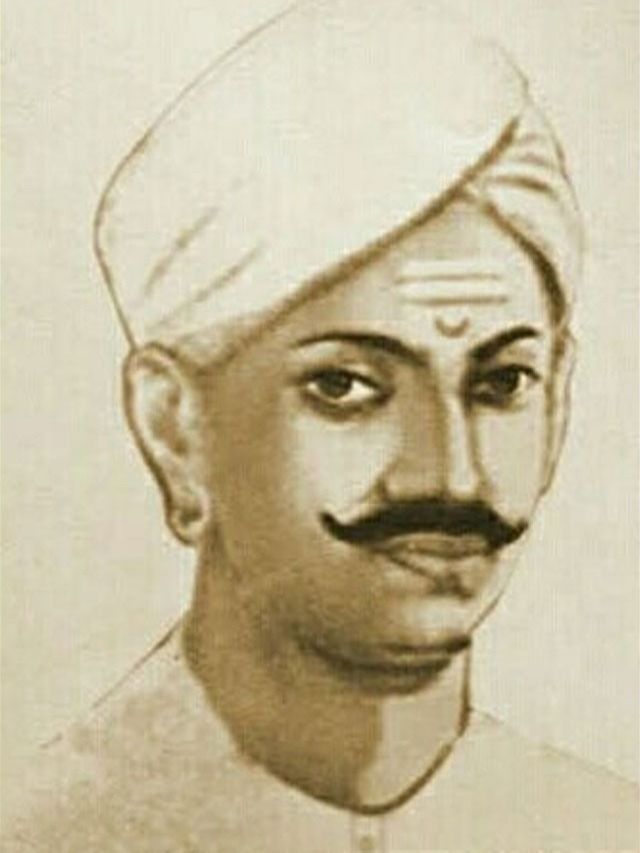
Mangal Pandey, a sepoy in the British East India Company’s army, is widely regarded as the first martyr of India’s freedom struggle. His refusal to use the controversial Enfield rifle cartridges and subsequent attack on British officers in March 1857 sparked the wider Revolt of 1857. Though executed, his act of defiance became a catalyst for the First War of Independence.
Why These 10?
While hundreds of leaders contributed to India’s freedom, these ten are consistently highlighted for:
- Mass mobilization (Gandhi, Nehru, Tilak)
- Revolutionary action (Bhagat Singh, Azad, Bose)
- Symbolic resistance (Rani Lakshmibai, Mangal Pandey)
- Nation-building (Patel, Nehru)
- Ideological leadership (Tilak, Lajpat Rai)
Historians note that over 10,000 individuals are officially recognized as freedom fighters by the Indian government, though many more remain undocumented.
Legacy and Relevance Today
These leaders’ ideals—non-violence, self-reliance, social justice, and unity—continue to shape India’s democratic identity. Their stories are taught in schools, commemorated in national holidays (e.g., Gandhi Jayanti, Independence Day), and invoked in contemporary debates on citizenship, rights, and governance.