



The ₹10 lakh price bracket is now among the most fiercely contested segments of the Indian car market. As safety standards improve and cars gain better technology and more premium interiors, buyers shopping on a budget no longer need to give up much in terms of features or comfort. For first-time buyers, as well as those seeking a practical family car, the choice is wide.
A major strength of this budget is the range of options available. Buyers may opt for fuel-efficient hatchbacks suited to everyday city driving, compact SUVs that provide a higher seating position, spacious sedans for family trips, or CNG and electric models that cost less to run. Several cars in this category also come with automatic transmissions, connected-car technology, touchscreen infotainment, and up-to-date safety features.
With so many options on the market, choosing the right car is not easy unless you compare specifications, features, prices, and day-to-day practicality. This guide highlights India’s Top 10 Cars Under ₹10 Lakh, selected for their balance of performance, comfort, features, efficiency, safety, and value for money.
Buying a car for under ₹10 lakh in India no longer means settling for a basic hatchback. The market now includes premium hatchbacks, compact SUVs, sedans, CNG cars, automatics, and even electric vehicles. Notable choices include the Maruti Suzuki Dzire, Tata Punch, Hyundai Exter, Maruti Swift, Tata Altroz, Maruti Baleno, Nissan Magnite, Renault Kiger, Toyota Glanza, and Tata Tiago.
The prices cited here are approximate ex-showroom figures and can differ based on the city, variant, fuel type, discounts, and model-year updates. Current listings, for instance, put the Tata Tiago at roughly ₹4.70 lakh to ₹8.55 lakh, the Hyundai Exter at ₹5.81 lakh to ₹9.46 lakh, and the Maruti Dzire at ₹6.26 lakh to ₹9.36 lakh ex-showroom.How We Selected These Cars
The ranking considers more than just the starting price. The following factors are important when choosing a car under ₹10 lakh:
- Purchase price and variant value.
- Safety equipment and crash-test performance.
- Petrol, CNG and electric running costs.
- Fuel efficiency.
- Engine performance and driving comfort.
- Interior space and boot capacity.
- Automatic transmission availability.
- After-sales service and spare-parts cost.
- Resale value.
- Features and technology.
- Suitability for city and highway driving.
A car with a low starting price may not be the best choice if its useful features are available only in expensive variants. Similarly, a car with excellent mileage may not suit buyers who regularly travel on highways. Therefore, the best choice depends on your driving pattern, family size and priorities.
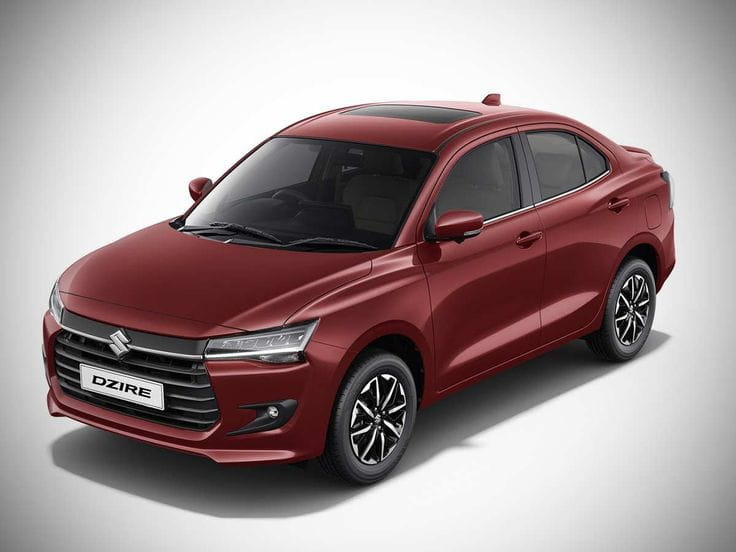
1. Maruti Suzuki Dzire
The Maruti Suzuki Dzire stands out as a well-rounded family car priced below ₹10 lakh, offering a comfortable cabin and spacious boot along with good fuel efficiency, low maintenance costs, and strong resale value.
The Dzire suits families looking for a sedan without the higher running and maintenance costs that come with larger cars. Its compact size and light steering also make it practical for driving in the city.
Engine and performance
The petrol model has enough power for city driving and the occasional highway trip. It is not meant to be a sporty sedan, though its engine feels refined and is simple to use. For drivers who cover a lot of kilometres each month, the CNG model costs less to run; the trade-off is reduced boot space, since the cylinder takes up room.
The automatic version makes sense in cities with heavy traffic. Still, buyers should take the automatic variant for a careful test drive, since it may feel different from a conventional torque-converter automatic.
Safety
The current Dzire has received a five-star Bharat NCAP rating for adult occupant protection, with a reported adult score of 29.46 out of 32 and a child score of 41.57 out of 49. Safety equipment, however, can differ between variants, so buyers should confirm the exact equipment list.
Maruti Suzuki Dzire Petrol Engine Specifications
Compact powertrain highlights
Displacement
648cc
Power
81.58 PS @ 5,700 rpm
Torque
111.7 Nm @ 4,300 rpm
Valve
4-Valve
Cooling
Liquid Cooled
Gearbox
5-Speed MT/AMT
Fuel System
Fuel Injection
Emission
BS6.2 / OBD-2
Maruti Suzuki Dzire CNG Engine Specifications
Compact powertrain highlights
Displacement
1197 cc
Power
69.75 PS@ 5,700 rpm
Torque
101.8 Nm@ 4,300 rpm
Valve
4-Valve
Cooling
Liquid Cooled
Gearbox
6-Speed
Fuel System
S-CNG/Dual-Fuel Injection
Emission
BS6 / OBD-2
Pros
- Excellent mileage.
- Comfortable family-friendly cabin.
- Good boot space.
- Easy maintenance.
- Strong resale value.
- CNG option.
Cons
- Rear-seat width is best suited to two adults and one child.
- Base variants may lack important comfort features.
- Performance is adequate rather than exciting.
- CNG reduces luggage capacity.
Best variant
For most buyers, a mid or upper-mid petrol variant offers the best balance. The CNG version makes sense if your monthly driving is high and CNG stations are conveniently available.
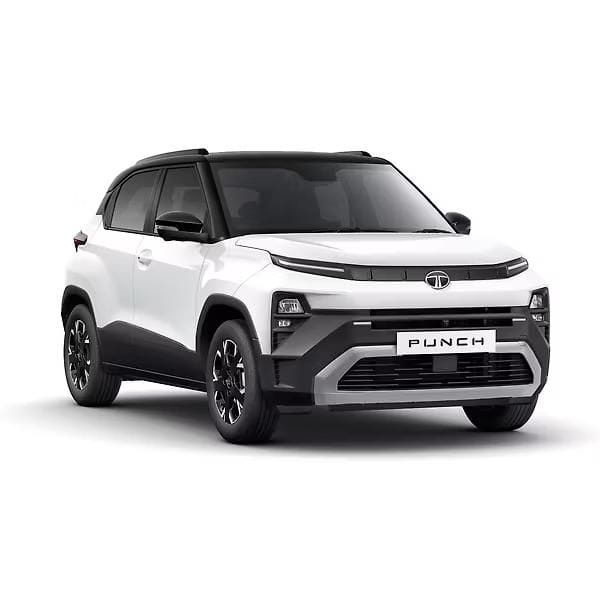
2. Tata Punch
The Tata Punch is a popular choice for buyers seeking SUV-style looks, generous ground clearance, and a strong emphasis on safety without paying a premium. Its upright seating position simplifies getting in and out compared with many hatchbacks, while the compact body is well suited to city streets and tight parking spaces.
Engine and performance
The Punch’s 1.2-litre petrol engine is set up for smooth, routine driving rather than outright speed. In the city, it feels comfortable enough; on the highway, though, overtaking with a full load takes some planning.
In traffic, the AMT makes things easier, but its shifts can be slower and less smooth than those of a conventional automatic. Choosing the CNG version can cut fuel costs, although it may also bring lower performance and less luggage space.
Safety
The Tata Punch has received a five-star Bharat NCAP rating, with an adult occupant score of 30.58 out of 32 and a child occupant score of 45 out of 49 on the official Bharat NCAP listing. The rating applies to the tested specification, so variant-specific equipment should still be checked.
Tata Punch Petrol Engine Specification
Compact powertrain highlights
Displacement
1199cc
Power
87.8 PS@ 6,000 rpm
Torque
115 Nm @ 3,250 rpm
Valve
4-Valve
Cooling
Liquid Cooled
Gearbox
5-Speed MT/5-Speed AMT
Fuel System
MPFI
Emission
BS6 / OBD-2
Tata Punch CNG Engine Specifications
Compact powertrain highlights
Displacement
1199cc
Power
73.5 PS @ 6,000 rpm
Torque
103 Nm @ 3,250 rpm
Valve
4-Valve
Cooling
Liquid Cooled
Gearbox
5-Speed MT
Fuel System
Petrol + CNG
Emission
BS6 / OBD-2
Tata Punch Electric Specifications
Compact powertrain highlights
Battery
30 kWh/40 kWh
Power
65 kW / 95 kW
Torque
154 Nm
Valve
N/A
Cooling
Liquid-Cooled
Gearbox
1-Speed Automatic
Fuel System
Electric Motor
Emission
OBD-2
Pros
- Strong safety credentials.
- High ground clearance.
- SUV-like driving position.
- Compact and easy to park.
- CNG availability.
- Good suspension for uneven roads.
Cons
- Engine can feel strained at highway speeds.
- AMT response is not as smooth as a torque-converter automatic.
- Boot space is only moderate.
- Some versions have noticeable cabin and engine noise.
Best for
The Punch is ideal for city families, buyers in areas with poor roads and people who want an SUV appearance without purchasing a larger vehicle.
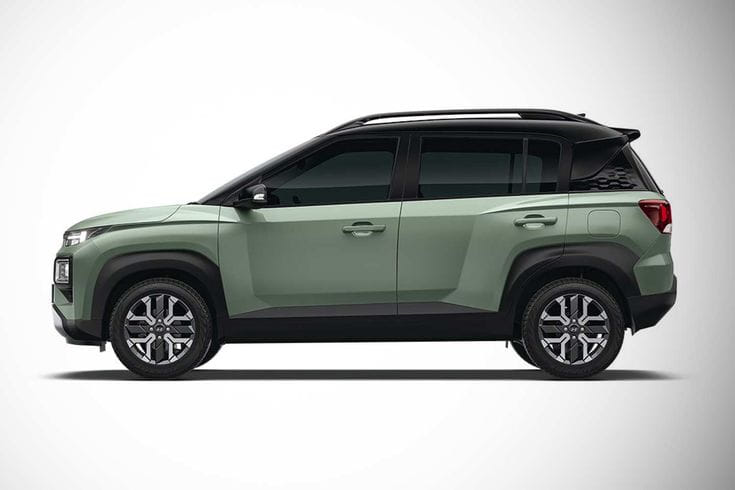
3. Hyundai Exter
The Hyundai Exter puts its attention on features, refinement, and ease of use. For buyers seeking a modern compact SUV, it makes a strong case with its comfortable cabin and lengthy equipment list.
First-time buyers and urban families may find the Exter particularly appealing. It is easy to drive in tight spaces, thanks to its compact dimensions, while the tall body provides a clear view of nearby traffic.
Features
Depending on the variant, the Exter may come with features including a touchscreen infotainment system, connected-car functions, a rear camera, a sunroof, automatic climate control, cruise control and multiple airbags.
Still, a long feature list should not be the only reason to choose a car. Buyers need to confirm that the features they want are offered in the selected variant and that the on-road price fits their budget.
Engine and performance
The naturally aspirated petrol engine is smooth and predictable. It is well suited to urban driving and regular family use. The CNG version is economical but is better suited to buyers who prioritise running costs over performance.
The AMT makes the Exter convenient in traffic, though it may show some hesitation during quick acceleration or uphill driving.
Safety
The Exter offers a strong safety package in its segment, but consumers should distinguish between standard safety equipment and an official crash-test rating. Equipment such as airbags, electronic stability control and hill-start assist may vary by variant.
Hyundai Exter Petrol Engine Specifications
Compact powertrain highlights
Displacement
1197cc
Power
83 PS @ 6,000 rpm
Torque
113.8 Nm @ 4,000 rpm
Valve
4-Valve
Cooling
Liquid-Cooled
Gearbox
5-Speed MT/AMT
Fuel System
MPFI
Emission
BS6 / OBD-2
Hyundai Exter CNG Engine Specifications
Compact powertrain highlights
Displacement
1197cc
Power
69 PS @ 6,000 rpm
Torque
95.2 Nm @ 4,000 rpm
Valve
4-Valve
Cooling
Liquid-Cooled
Gearbox
5-Speed MT / AMT
Fuel System
Petrol + CNG
Emission
BS6 / OBD-2
Pros
- Comfortable and refined city car.
- Attractive feature list.
- Good visibility.
- CNG option.
- Easy service and ownership.
- Smooth petrol engine.
Cons
- Not the most powerful car for frequent highway travel.
- AMT can feel slow during rapid gear changes.
- Rear cabin width is limited for three adults.
- Higher variants can approach or exceed the ₹10 lakh ex-showroom limit.
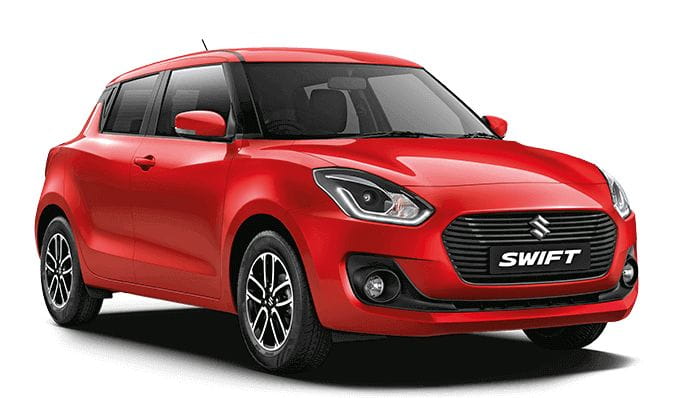
4. Maruti Suzuki Swift
The Maruti Suzuki Swift is still among India’s most recognisable hatchbacks. It combines a compact footprint with light controls, an efficient engine and relatively low ownership costs.
For people, couples and small families who mainly drive in cities, it makes a sensible choice. It is also more enjoyable to drive than many other economy-focused cars.
Driving experience
The Swift’s small size and light steering are well suited to crowded city streets. With a light load, the petrol engine feels more responsive, while still providing enough acceleration for everyday commuting.
The car is not the best fit for families who often travel with five adults and luggage. There is reasonable space in the back, though larger passengers may find the shoulder room tight.
Safety
The Swift’s safety equipment has improved over time, but buyers should compare the exact variant carefully. Features such as electronic stability control, airbags, rear parking sensors and a rear camera may not be identical across all versions.
Maruti Suzuki Swift Engine Specifications
Compact powertrain highlights
Displacement
1197cc
Power
81.58 PS @ 5,700 rpm
Torque
111.7 Nm @ 4,300 rpm
Valve
4-Valve
Cooling
Liquid-Cooled
Gearbox
5-Speed MT/5-Speed AMT
Fuel System
Petrol Fuel Injection
Emission
BS6 / OBD-2
Maruti Suzuki Swift CNG Engine Specifications
Compact powertrain highlights
Displacement
1197cc
Power
69.75 PS @ 5,700 rpm
Torque
101.8 Nm @ 2,900 rpm
Valve
4-Valve
Cooling
Liquid-Cooled
Gearbox
5-Speed MT
Fuel System
S-CNG
Emission
BS6 / OBD-2
Pros
- Excellent city car.
- Good mileage.
- Easy to maintain.
- Strong resale value.
- Automatic option available.
- Pleasant driving manners.
Cons
- Limited boot space compared with a sedan.
- Rear seat is not ideal for three adults.
- CNG affects luggage usability.
- Higher variants may be expensive relative to the size.
Best for
Choose the Swift if you want an efficient, easy-to-drive hatchback for daily commuting and occasional trips.
5. Tata Altroz
The Tata Altroz is a premium hatchback with distinctive styling, a cabin that feels solid, and strong safety credentials. On highways, it feels more planted than many small hatchbacks, while its interior is relatively spacious.
The Altroz suits buyers who want a conventional hatchback, but with more road presence and safety than an entry-level model.
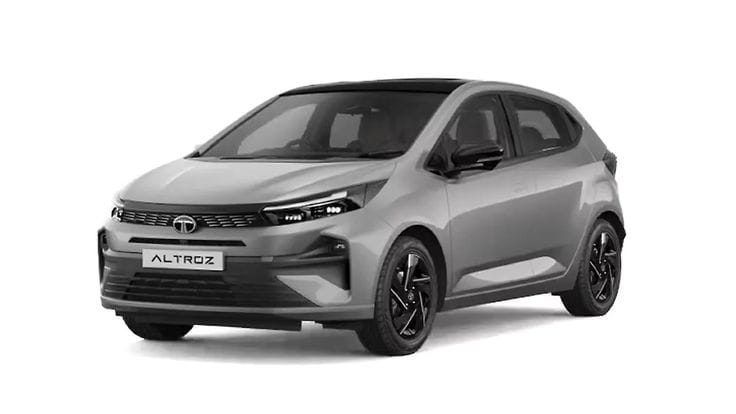
The Bharat NCAP listing gives the Tata Altroz an adult occupant score of 29.65 out of 32 and a child occupant score of 44.90 out of 49.
Engine and performance
The petrol engine works well for city traffic and moderate highway trips. If you often travel with a full load, take the car for a proper test drive before deciding, particularly if you are considering the CNG version.
Although the Altroz is not the quickest car here, its steady handling and well-controlled ride inspire confidence on highways.
Tata Altroz Petrol Engine Specifications
Compact powertrain highlights
Displacement
1199 cc
Power
88 PS@ 6,000 rpm
Torque
115 Nm@ 3250 rpm
Valve
4-Valve
Cooling
Liquid Cooled
Gearbox
6-Speed
Fuel System
Fuel Injection
Emission
BS6 / OBD-2
Tata Altroz CNG Engine Specifications
Compact powertrain highlights
Displacement
1199 cc
Power
73.5 PS@ 6,000 rpm
Torque
103 Nm@ 3,250 rpm
Valve
4-Valve
Cooling
Liquid Cooled
Gearbox
5-Speed MT/AMT
Fuel System
iCNG
Emission
BS6 / OBD-2
Tata Altroz Diesel Engine Specifications
Compact powertrain highlights
Displacement
1497 cc
Power
90 PS@ 4,000rpm
Torque
200 Nm@ 1250-3000rpm.
Valve
4-Valve
Cooling
Liquid Cooled
Gearbox
5-Speed
Fuel System
CRDI
Emission
BS6 / OBD-2
Pros
- Strong crash-test performance.
- Solid build feel.
- Good interior space.
- Stable highway behaviour.
- CNG option.
- Attractive design.
Cons
- Some versions have less enthusiastic performance.
- Infotainment and software experience may not feel as polished as Hyundai’s.
- Tata service quality can vary between locations.
- Fully equipped versions may cross ₹10 lakh ex-showroom.
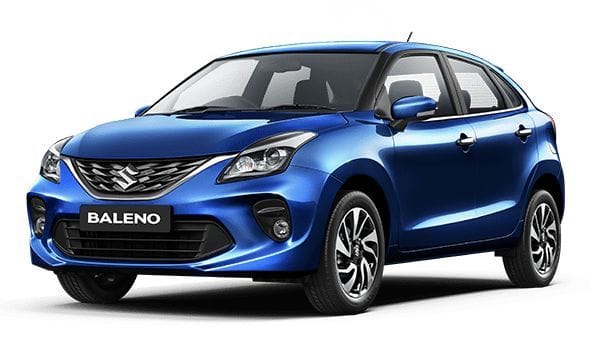
6. Maruti Suzuki Baleno
The Maruti Suzuki Baleno stands out among premium hatchbacks in this price range for its generous cabin space. Rear-seat passengers get a comfortable bench, while the boot is useful for everyday needs. Buyers can choose between efficient petrol and CNG powertrains.
For families, it delivers the practicality of a hatchback without giving up too much passenger room.
The Bharat NCAP results for the Baleno differ according to the tested safety configuration: the official listing records an optional six-airbag rating of 26.52 out of 32 for adult protection, while the base two-airbag configuration records 24.04 out of 32.
Engine and comfort
The Baleno’s engine is refined and adequate for daily use. It is not intended for performance-oriented driving, but it offers a relaxed ownership experience.
Its spacious cabin is one of its biggest advantages. The car is more comfortable than many smaller hatchbacks for four adults, and the boot is useful for regular family luggage.
Maruti Suzuki Baleno Petrol Engine Specifications
Compact powertrain highlights
Displacement
1197 cc
Power
82 PS@ 5,700 rpm
Torque
112.4 Nm@ 4,500 rpm
Valve
4-Valve
Cooling
Liquid Cooled
Gearbox
5-Speed MT/AGS
Fuel System
Fuel Injection
Emission
BS6 / OBD-2
Maruti Suzuki Baleno Petrol Engine Specifications
Compact powertrain highlights
Displacement
1197 cc
Power
69 PS@ 4,500 rpm
Torque
101.8 Nm@ 4,500 rpm
Valve
4-Valve
Cooling
Liquid Cooled
Gearbox
5-Speed MT
Fuel System
S-CNG
Emission
BS6 / OBD-2
Pros
- Excellent cabin space.
- Comfortable rear seat.
- Good mileage.
- Low maintenance.
- Strong resale.
- Wide service network.
Cons
- Safety equipment varies significantly by variant.
- Handling is not as sporty as the Swift.
- CNG version sacrifices boot space.
- Low ground clearance compared with SUVs.
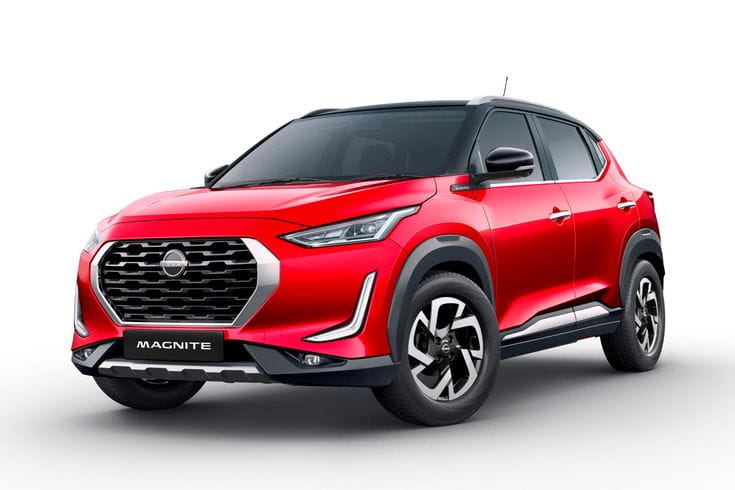
7. Nissan Magnite
The Nissan Magnite is a stylish compact SUV built around value, design, and generous ground clearance. For buyers seeking an SUV-style vehicle without spending as much, it makes a persuasive case.
Engine choices vary by variant, with both naturally aspirated and turbo-petrol options available. Buyers who spend a lot of time on highways or prefer stronger acceleration will likely find the turbo version more suitable.
Performance
The naturally aspirated engine is sufficient around town. For highway driving, the turbo-petrol version is the stronger option, offering quicker acceleration, though it may cost more to run.
For city driving, the CVT automatic is more convenient than an AMT. Buyers should still check the price and confirm that the variant they want is available.
Nissan Magnite CNG Engine Specifications
Compact powertrain highlights
Displacement
999 cc
Power
72 PS@ 6,250 rpm
Torque
96 Nm@ 3,500 rpm
Valve
4-Valve
Cooling
Liquid Cooled
Gearbox
6-Speed
Fuel System
Fuel Injection
Emission
BS6 / OBD-2
Nissan Magnite Petrol CNG Engine Specifications
Compact powertrain highlights
Displacement
999 cc
Power
71 PS@ 6,250 rpm
Torque
96 Nm@ 3,400–3,600 rpm
Valve
4-Valve
Cooling
Liquid Cooled
Gearbox
5-speed manual
Fuel System
Fuel Injection
Emission
BS6 / OBD-2
Nissan Magnite Petrol Turbo Engine Specifications
Compact powertrain highlights
Displacement
999 cc
Power
100 PS@ 5,000 rpm
Torque
160 Nm@ 5,150 rpm
Valve
4-Valve
Cooling
Liquid Cooled
Gearbox
5-Speed MT/AMT
Fuel System
Fuel Injection
Emission
BS6 / OBD-2
Pros
- Strong value proposition.
- Stylish SUV design.
- Turbo engine option.
- Comfortable ground clearance.
- Automatic transmission availability.
- Good feature list.
Cons
- Nissan’s service network is smaller than Maruti or Hyundai’s.
- Rear-seat width is moderate.
- Turbo variants cost more.
- Resale value may not match Maruti or Hyundai models.
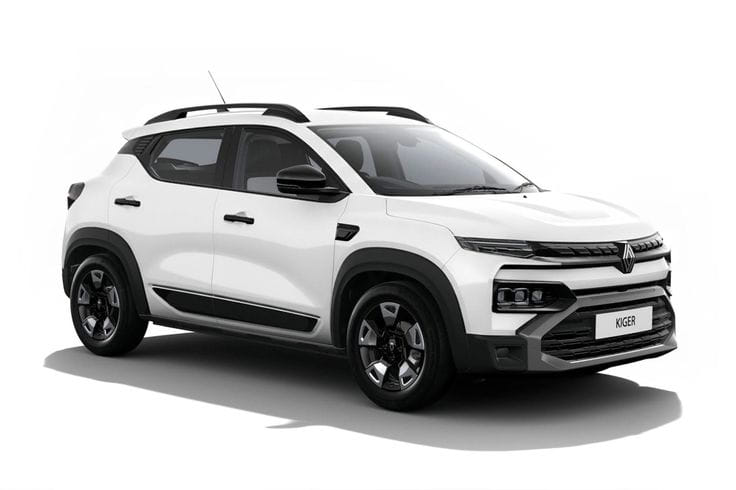
8. Renault Kiger
The Renault Kiger stands out with its distinctive styling, generous ground clearance, and available turbo-petrol engine. For buyers seeking a sporty urban SUV, it makes a strong alternative to the Magnite.
Because the Kiger is compact, it is easy to manoeuvre, and its turbo engine delivers livelier performance than many naturally aspirated rivals.
Driving experience
The turbo-petrol version is the preferred choice for buyers who regularly use expressways or travel with passengers. The naturally aspirated engine is better suited to relaxed city driving and lower purchase costs.
The CVT offers smoother urban operation, while the manual version gives drivers more control and usually costs less.
Renault Kiger Petrol NA Engine Specifications
Compact powertrain highlights
Displacement
999 cc
Power
72 PS PS@ 6,250 rpm
Torque
96 Nm@ 2800-3600 rpm
Valve
4-Valve
Cooling
Liquid Cooled
Gearbox
5-Speed MT / AT
Fuel System
Fuel Injection
Emission
BS6 / OBD-2
Renault Kiger Petrol Turbo Engine Specifications
Compact powertrain highlights
Displacement
999 cc
Power
100 PS@ 5,000 rpm
Torque
152 Nm@ 2200-4400 rpm
Valve
4-Valve
Cooling
Liquid Cooled
Gearbox
5-Speed MT/ AT
Fuel System
Fuel Injection
Emission
BS6 / OBD-2
Pros
- Sporty exterior.
- Turbo engine option.
- Good urban manoeuvrability.
- Comfortable ride.
- Automatic choices.
- SUV-like seating position.
Cons
- Cabin quality is not class-leading.
- Rear-seat space is adequate rather than generous.
- Service reach varies by location.
- Some desirable features are reserved for expensive variants.
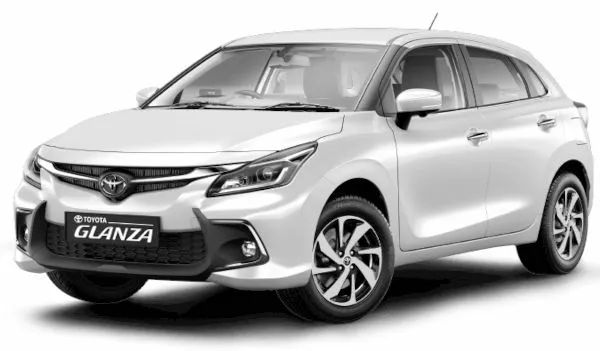
9. Toyota Glanza
The Toyota Glanza is a premium hatchback aimed at buyers who appreciate Toyota’s branding, reliability, and economical day-to-day performance. Its underlying platform and mechanical parts are shared with the Maruti Baleno.
The Glanza suits city families looking for a roomy hatchback, with both petrol and CNG variants available. Its manageable dimensions make it convenient to drive, while the cabin provides good space for passengers.
Ownership
The Glanza’s biggest strength is how uncomplicated it is to own. It delivers good fuel economy, usually costs little to service and feels easy behind the wheel.
However, buyers should still check the Baleno’s exact equipment and pricing before deciding. The Maruti version might be easier to find or come with better discounts in some cases; buyers who value Toyota’s warranty and dealership experience may lean toward the Toyota instead.
Toyota Glanza Petrol Engine Specifications
Compact powertrain highlights
Displacement
1197 cc
Power
47.4 PS@ 6,000 rpm
Torque
113 Nm@ 4,400 rpm
Valve
4-Valve
Cooling
Liquid Cooled
Gearbox
5-Speed MT / AMT
Fuel System
Fuel Injection
Emission
BS6 / OBD-2
Toyota Glanza CNG Engine Specifications
Compact powertrain highlights
Displacement
1197 cc
Power
88.5 PS@ 6,000 rpm
Torque
113 Nm@ 4,400 rpm
Valve
4-Valve
Cooling
Liquid Cooled
Gearbox
5-Speed MT
Fuel System
Fuel Injection
Emission
BS6 / OBD-2
Pros
- Good cabin space.
- Efficient petrol and CNG engines.
- Toyota warranty and service appeal.
- Easy city driving.
- Useful automatic option.
- Strong practical value.
Cons
- Not a high-performance car.
- Safety performance depends on the tested configuration and equipment.
- CNG reduces boot usability.
- Pricing can overlap with compact SUVs.
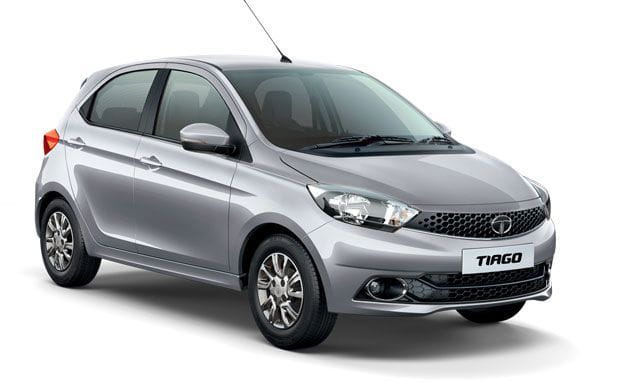
10. Tata Tiago
The Tata Tiago is among India’s most affordable all-round cars. Its cabin is practical, buyers can choose between petrol and CNG, and it feels relatively solid for a car in this segment.
That makes it a sensible option for first-time buyers, students, small families, and anyone looking to limit both the upfront price and ongoing maintenance costs.
Performance and economy
The Tiago’s petrol engine works well for everyday city driving and the occasional highway trip. For drivers covering a lot of kilometres, the CNG version can be a practical choice, though it feels less powerful, especially with a full load of passengers.
The Tiago gives up some space compared with the Baleno and Dzire, though it is easier to park and usually costs less to buy.
Tata Tiago Petrol Engine Specifications
Compact powertrain highlights
Displacement
1199 cc
Power
85 PS@ 6,000 rpm
Torque
113 Nm@ 3,300 rpm
Valve
4-Valve
Cooling
Liquid Cooled
Gearbox
6-Speed MT/AMT
Fuel System
Fuel Injection
Emission
BS6 / OBD-2
Tata Tiago CNG Engine Specifications
Compact powertrain highlights
Displacement
1199 cc
Power
74 PS@ 6,000 rpm
Torque
96.5 Nm@ 3,500 rpm
Valve
4-Valve
Cooling
Liquid Cooled
Gearbox
5-Speed MT/AMT
Fuel System
Fuel Injection
Emission
BS6 / OBD-2
Pros
- Affordable entry price.
- CNG option.
- Compact and easy to drive.
- Good value in mid variants.
- Practical ownership costs.
- Tata build feel.
Cons
- Rear-seat space is limited for three adults.
- Engine performance is modest.
- Boot space is reduced in the CNG version.
- Tata dealership experience can vary.
Petrol, CNG or Electric?
Petrol
Petrol is the most convenient option for most buyers. It offers easier refuelling, better performance than CNG and fewer restrictions related to fuel-station availability.
Choose petrol if:
- Your monthly running is moderate.
- You frequently travel outside cities.
- You do not have a CNG station nearby.
- You want better boot space.
- You prefer stronger performance.
CNG
CNG can reduce fuel expenses significantly, especially for people driving long distances every month. However, CNG cars generally offer lower performance and reduced boot space.
Choose CNG if:
- Your monthly usage is high.
- CNG stations are available near your home or route.
- Low running cost is your top priority.
- You can accept a smaller luggage area.
Electric
Affordable electric options such as the Tata Tiago EV and selected electric models can fall within or near the ₹10 lakh ex-showroom range. The Tiago EV is listed with an approximate range of 223–293 km, depending on the battery and variant.
Choose an EV if:
- You mostly drive within a city.
- You have reliable home charging.
- Your daily driving distance is predictable.
- You want lower running and maintenance costs.
- You do not frequently undertake long intercity journeys.
Best Automatic Cars Under ₹10 Lakh
Automatic cars are increasingly popular in Indian cities because they reduce driver fatigue in stop-and-go traffic. However, different automatic technologies provide different driving experiences.
| Transmission | Advantages | Limitations |
| AMT | Affordable, efficient and easy to maintain | Gear shifts can feel jerky or slow |
| CVT | Smooth and comfortable in traffic | Can feel less engaging during hard acceleration |
| DCT | Quick and sporty gear changes | Usually more expensive and potentially costlier to maintain |
| Torque converter | Smooth and robust | Often available in larger or costlier variants |
Good automatic options from this list include:
- Maruti Suzuki Swift AMT.
- Tata Punch AMT.
- Hyundai Exter AMT.
- Maruti Suzuki Dzire AMT.
- Nissan Magnite CVT.
- Renault Kiger CVT.
- Toyota Glanza AMT.
For heavy traffic, a CVT is generally smoother than an AMT. For lower purchase cost and good mileage, an AMT is often more practical.
Safety Features to Check
Do not judge safety only by the number of airbags. Before buying, check the following:
- Six airbags, preferably standard.
- Electronic stability control.
- Anti-lock braking system with EBD.
- Rear parking sensors.
- Rear-view camera.
- ISOFIX child-seat mounts.
- Hill-start assist.
- Tyre-pressure monitoring system.
- Three-point seat belts for all occupants.
- Seat-belt reminders for all seats.
- High-speed stability.
- Availability of an official crash-test rating.
Bharat NCAP is the official Indian vehicle safety assessment programme, and its ratings are based on occupant protection and safety-assistance parameters. A safety rating should always be read along with the tested model year, variant and equipment configuration.
On-Road Price Planning
A ₹10 lakh ex-showroom budget does not mean the car will cost ₹10 lakh on the road. The final amount may include:
- Registration charges.
- Road tax.
- Insurance.
- FASTag.
- Extended warranty.
- Accessories.
- Handling or documentation charges, where applicable.
- Finance-processing fees.
- Optional service packages.
Depending on the state and city, registration and insurance can add a substantial amount. A car priced at ₹9 lakh ex-showroom may cross ₹10 lakh or ₹11 lakh on-road.
For buyers with a strict ₹10 lakh on-road budget, it is safer to target a car priced around ₹8–₹8.5 lakh ex-showroom. Always request a written quotation from at least two dealers.
Finance and EMI Considerations
A low EMI should not be the only reason to choose a car. You should calculate the total cost of ownership, including fuel, insurance, service, tyres and unexpected repairs.
Before taking a loan:
- Make a down payment that does not empty your emergency fund.
- Compare interest rates from banks and finance companies.
- Check processing charges and foreclosure terms.
- Avoid unnecessarily long loan tenures.
- Include insurance and registration in the total budget.
- Compare the total payable amount, not just the monthly EMI.
- Keep a separate budget for annual maintenance.
A car costing ₹8 lakh may become significantly more expensive after interest, insurance and registration. Buyers should therefore evaluate affordability using the on-road price rather than only the advertised ex-showroom price.
Which Car Should You Buy?
Best overall family car
The Maruti Suzuki Dzire is the most balanced option for families because it provides comfort, efficiency, boot space, CNG availability and strong resale value.
Best safety-focused option
The Tata Punch is an excellent choice for buyers who prioritise a high seating position, compact dimensions and a five-star Bharat NCAP rating.
Best feature-rich SUV
The Hyundai Exter is better suited to buyers who want modern features, easy city driving and a polished cabin.
Best premium hatchback
The Maruti Suzuki Baleno offers one of the most spacious cabins, while the Tata Altroz is a stronger choice for buyers who place greater emphasis on safety and highway stability.
Best turbo compact SUV
The Nissan Magnite and Renault Kiger are attractive choices for buyers who want turbo-petrol performance at a competitive price.
Best affordable car
The Tata Tiago is a strong value option for first-time buyers who want to keep the purchase price low without choosing a very basic entry-level model.
Best mileage-focused car
The Maruti Suzuki Dzire CNG, Maruti Swift CNG, Toyota Glanza CNG and Tata Tiago CNG are worth considering for buyers with high monthly running. Current listings show that CNG versions of several Maruti models can deliver claimed mileage above 30 km/kg, although real-world figures depend on traffic, load, tyre pressure and driving style.
Final Buying Checklist
Before booking any car under ₹10 lakh, complete these checks:
- Take a test drive on both smooth and broken roads.
- Sit in the rear seat with all regular passengers.
- Check boot space with your actual luggage.
- Test the clutch, steering and braking.
- Drive the automatic version in traffic if applicable.
- Confirm the manufacturing month and year.
- Ask for the complete on-road quotation.
- Compare insurance from the dealer and outside providers.
- Check waiting period and delivery commitment.
- Verify warranty and service intervals.
- Inspect crash-test results for the exact model and variant.
- Ask about spare-wheel and CNG-cylinder space.
- Check whether the selected variant includes a rear camera, stability control and sufficient airbags.
- Compare at least two competing models before paying the booking amount.
The best car under ₹10 lakh is not necessarily the cheapest one. It should offer the right balance of safety, comfort, efficiency, performance, ownership cost and long-term dependability for your specific usage.