

India Eases FDI Rules for China and Neighbors
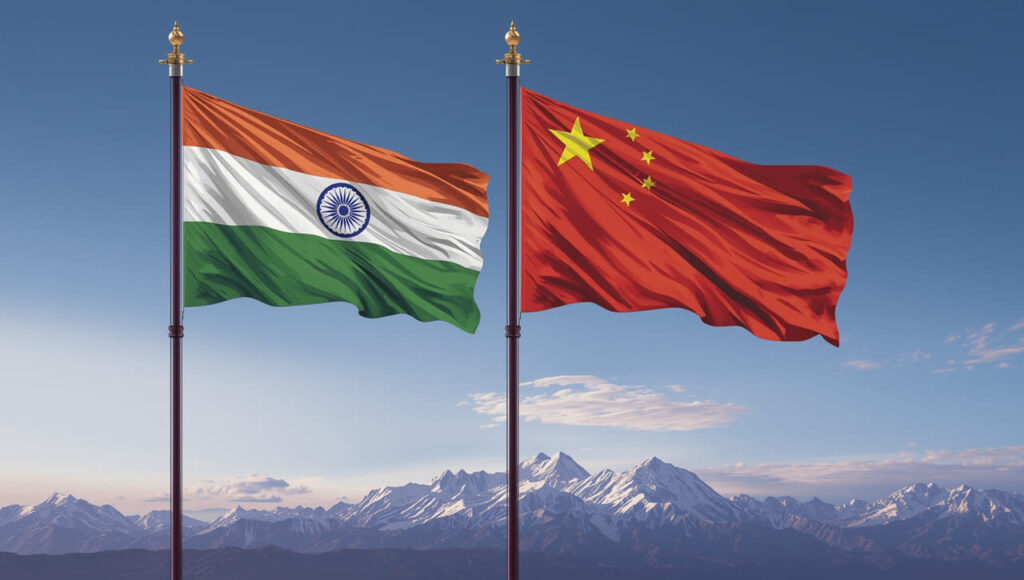
The Indian government has revised its 2020 Press Note 3, which means there will no longer be a requirement for foreign direct investment (FDI) from countries sharing land borders like China to seek prior approval. This move was cleared by the Union Cabinet headed by Prime Minister Narendra Modi on March 10, 2026 and shows a realistic approach toward strengthening economic ties, in view of rising trade.
Policy Shift Details
The move will remove the provision that required government approval for FDI from China, Bangladesh, Pakistan, Bhutan, Nepal, Myanmar and Afghanistan in most sectors. Not long after the Galwan clash and other border tensions between China and India, Press Note 3 was introduced in 2020 to block opportunistic investments but resulted with only 0.32% of total inflows (which amounts to $2.51 billion in FDI) from China between the years 2000-2025. Now, investments can go through on an automatic route but sensitive sectors such as defense or telecom may still be scrutinised.
Economic Context
China continues to be India’s second-largest trading partner — although the FDI is minimal — and bilateral trade has had upward trends in 2025-26 after a drop in exports and increase in imports during 2024-25. This degree of easing corresponds to industry calls for calibrated openings in non-strategic sectors such as manufacturing and renewables, to boost competitiveness without jeopardising their security. Officials say capital should be judged by economic impact, not just where it comes from.
Potential Impacts
This shift could unleash pools of Chinese capital once its restrictions, e.g., app bans etc. is settled by side factors to loosen them but also make room for “Make in India” to match with supply chain needs For neighbors such as Bangladesh and Nepal, it makes investment easier, potentially giving a boost to growth in the region. Critics raise security concerns; supporters argue the trade is $100+ billion-level & prior FDI threats were muted. In all, it strikes a balance between geopolitics and economic pragmatism.