
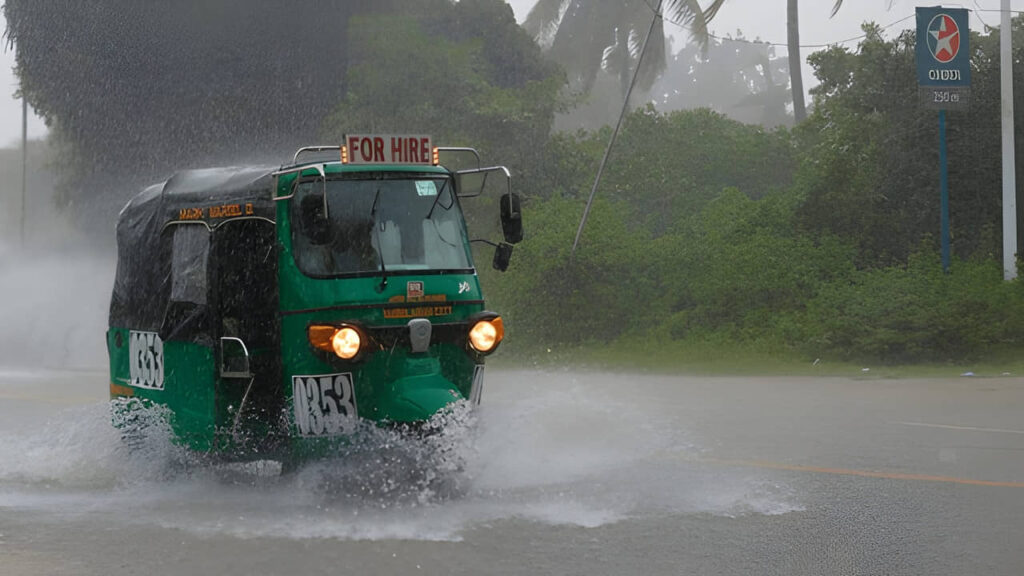

The Philippines is grappling with severe devastation after Typhoon Kalmaegi, locally known as Typhoon Tino, wreaked havoc across central provinces, killing at least 241 people and leaving 127 missing. This powerful storm has become the deadliest natural disaster in the Philippines in 2025, causing widespread flooding, landslides, and massive displacement of residents.
President Ferdinand Marcos Jr. declared a state of emergency on November 5, 2025, to expedite rescue, relief, and rehabilitation efforts. The emergency declaration provides faster access to disaster funds and streamlines procurement processes, enabling the government to manage better urgent needs, such as food supply, debris clearance, and shelter for displaced villagers. More than 560,000 people were forced to leave their homes, with over 450,000 seeking refuge in emergency shelters. Nearly 2 million people have been affected by the typhoon, with Central Visayas and Cebu province suffering the most severe damage.
The typhoon, with gusts reaching up to 150 kilometres per hour, tore off roofs, uprooted trees, and flooded streets, leaving behind flattened homes and blocked roads scattered with mud and debris. Clearance operations are critical to rescue efforts and to restore access to isolated communities. Officials emphasize the urgent need to clear debris to facilitate aid delivery and locate missing individuals.
Meanwhile, meteorologists are tracking another potentially powerful storm, Typhoon Uwan, expected to affect 10 to 12 regions of the Philippines in the coming days, adding to concerns about further damage and disruption. Vietnamese authorities are also bracing for heavy rains and flooding as Typhoon Kalmaegi regains strength over the South China Sea and approaches their southeastern provinces.
The Philippines, situated in a typhoon-prone region, experiences an average of 20 storms annually. This season has already met that average, with more storms forecast before the year ends. The government and local authorities continue to work on evacuations, relief, and recovery while facing the daunting challenge posed by consecutive typhoons. In summary, Typhoon Kalmaegi has caused immense human and infrastructural loss, prompting the Philippine government to declare a national state of emergency aimed at accelerating disaster response and mitigating further suffering among millions affected across the archipelago.