


Global initiatives to combat climate change have begun a new era, with multilateral development banks (MDBs) increasingly focused on translating their climate-related commitments into projects with measurable outcomes.
In an announcement released on November 13, the multilateral development banks stated that they provided a total of $163 billion (a record amount) in climate-related financing globally during 2025. Additionally, the multilateral development banks indicated that they support the implementation-focused approach to addressing climate change being promoted at the next COP31 climate conference.
The announcement shows an increasing understanding that just spending money won’t make all of the necessary environmental improvements to combat global warming, extreme weather conditions and climate-related financial threats.
Countries are increasingly making commitments to reduce emissions, increase their use of renewable energy, and develop strategies for adapting to climate change. But, in many cases, meeting those commitments will require significant amounts of money, technical skill, regulatory changes, and cooperation among governments and private organizations.
Development banks can combine financing, policy advice, technical expertise and institutional development to fill that void.
Moving from climate promises to practical projects
A major point of emphasis in the joint statement is that we need to convert our climate plans into actual implementation.
Countries provide Nationally Determined Contributions (NDCs), a type of document that details how each country intends to reduce its greenhouse gas emissions and prepare for climate-related effects.
Even though there is a national climate goal, this does not imply that we will build renewable energy projects, flood protection projects, and/or climate-resilient agricultural systems.
There are many obstacles that develop as a result of a lack of access to reasonably priced long-term capital to fund such projects in most developing countries. Other problems that exist as well include the fact that there is little or no technical expertise available, there is confusion about what the laws and rules governing such investments are, there is a lack of adequate physical infrastructure in the country, and there is doubt as to whether or not the private sector will invest.
The multilateral development banks have the potential to assist in solving several of the issues listed above. They may offer loans, mobilize investment, and support government agencies in developing projects.
In addition, their participation can increase the appeal of large-scale infrastructure projects to commercial investors who would typically find these projects to be overly risky.
Why climate finance matters for developing economies
Developing nations are facing some of the worst impacts of climate change even though many have made minimal contributions to historical global emissions.
A rise in temperature, changes in rainfall, drought, and flooding are all potential threats to agricultural production, housing development, the function of public infrastructure, and the ability to obtain safe drinking water.
For agricultural-dependent nations, climate variability can also impact food prices, job creation and income in rural areas.
Investment in irrigation, renewable energy, early warning systems, and improved transportation infrastructure may lower certain types of risk.
Therefore, climate finance is more than just decreasing greenhouse gases. It additionally provides assistance for adaptation, preparation for disasters, and enabling communities to bounce back after experiencing negative impacts of environmental events.
Investment in roads designed to withstand flooding will allow communities to continue using their roads to get to hospitals and markets when there are large amounts of rain. In addition, using renewable energy to produce electricity can provide a way for people to access electricity in areas where building and maintaining traditional electrical systems would be too costly or difficult.
The importance of private investment
Public funds on their own will likely not provide the amount of money needed to address the global scale of climate change investments.
The financial sector (banks and development institutions) is increasingly looking for ways to encourage private sector investment in renewable energy, sustainable transport, energy efficiency, and climate-resilient infrastructure.
Private investors are looking for predictable regulation, safe ways to make payments, and clear details on what can go wrong with projects.
Therefore, governments need to provide improved operating environments for climate change projects.
Development banks have the ability to lower the amount of risk associated with investments by offering guarantees, technical assistance, and financial structures. This is beneficial for moving projects forward from their initial planning phase into both construction and operational phases.
However, private investments cannot be allowed to create an unaffordable burden on government finances or households. Affordability of energy, transportation and water services is still a key concern of the public interest.
What the COP31 implementation agenda could mean
The joint statement emphasizes collaboration with Türkiye as COP31 president and Australia as President of Negotiations.
Support is provided for countries and businesses in the private sector to develop climate-smart strategies.
The institutions stressed that with funding, there should also be education/knowledge sharing, building capacity, and providing assistance with policies.
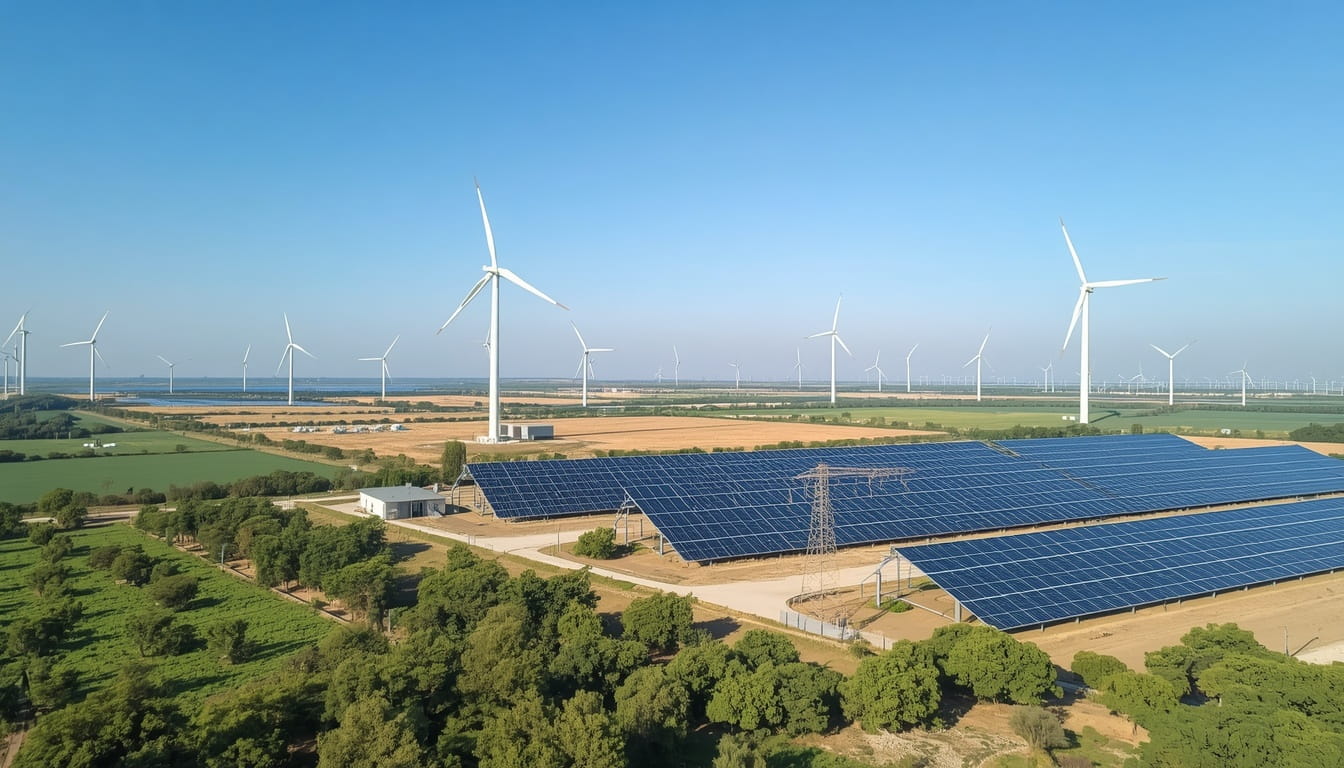
The success of the world’s transition from fossil fuels to renewable sources depends on much more than simply buying solar panels and building wind turbines. A country must have an electrical grid system, a workforce with the skills required to work in this field, regulatory bodies that can effectively oversee the operation of these types of systems, and the ability to combine renewable energy systems with existing infrastructure.
The announcement will not commit to providing an additional $163 billion in financing for COP31. This is the estimated total of all climate finance provided globally through multilateral development banks in 2025.
That distinction is important when interpreting the announcement.
The challenge ahead
The effectiveness of climate financing depends upon how the funds are used and if those funds create a positive impact.
Governments, development banks and civil society organizations must determine if the projects are reaching the most vulnerable groups, as well as if the projects are meeting their goals.
The continued importance of transparency, accountability for projects and the long term financial viability of projects.
The record amount of financing shows how development organizations are increasing their financial contributions to combatting climate change. What remains to be seen is if the financing can produce measurable results regarding improved energy access, environmental protection, and resilient communities.
International cooperation on climate change has many aspects. One of them will be the test of whether we can move from promise-making to practical implementation.