

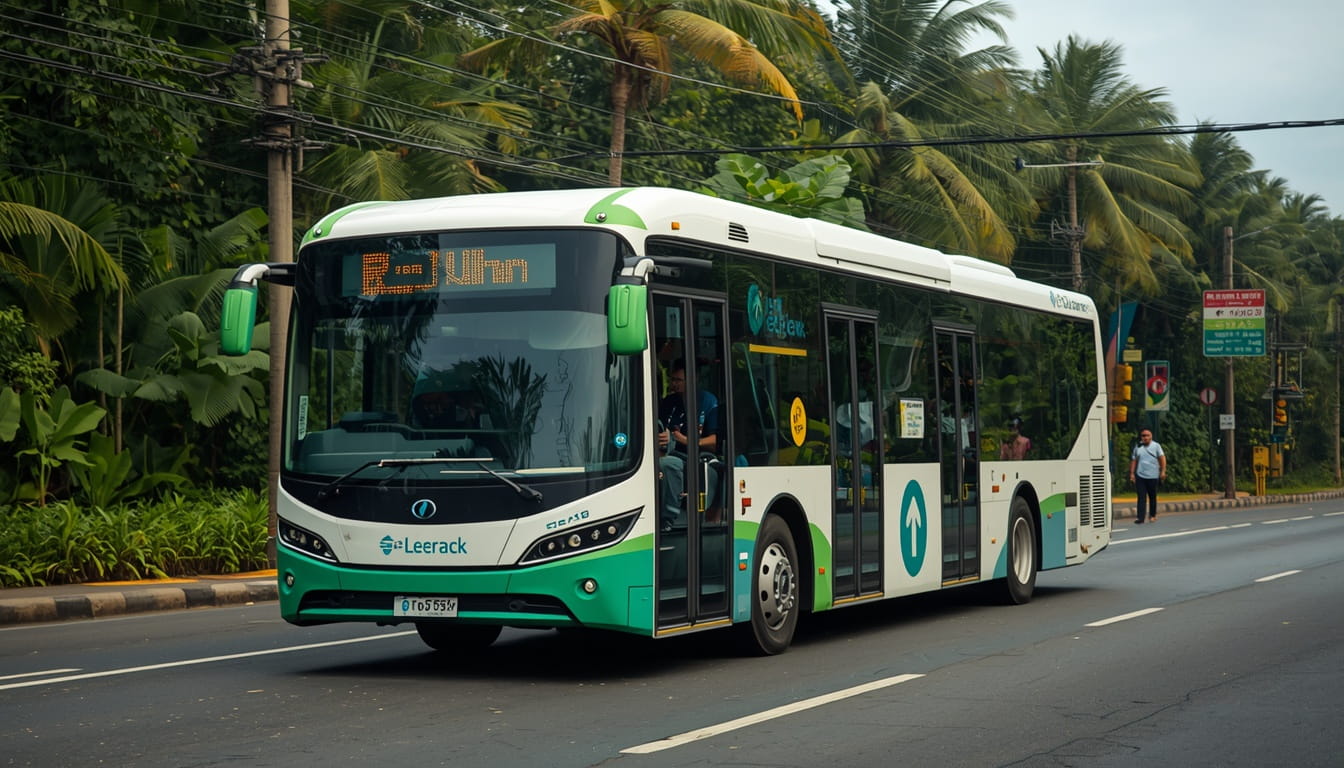

Bali has started operating a new electric-bus service on the route between the GOR Ngurah Rai Sports Complex and Garuda Wisnu Kencana, travelling via Renon. Passengers will ride free for the first year, with the temporary service funded by the provincial government.
The Trans Sarbagita route began operating on November 9. The province says the electric buses and charging stations were provided through a grant from South Korea, with an investment of about 50 billion rupiah.
The launch brings together a fare-free trial and an effort to expand battery-powered public transport. Whether it becomes a lasting option will depend on ridership, operating costs and the service’s reliability.
A year without fares
The governor said passengers will pay no fare during the first year of operation. The provincial budget will cover the temporary free service.
A free period can make it easier for people to try a new route, particularly if they are uncertain about its convenience or schedule. It also gives transport officials an opportunity to observe demand before deciding how the service should operate in the longer term.
The route connects several parts of the Denpasar area, including the GOR Ngurah Rai complex, Renon and the GWK destination. The announcement did not provide a full timetable or detailed stop-by-stop schedule.
Electric buses and local energy goals
The buses run on batteries and are intended to reduce tailpipe emissions and noise compared with conventional fuel-powered vehicles. The governor described the service around three aims: zero emissions, zero noise and zero fares during the trial year.
The province has set a target of reaching net-zero emissions by 2045, earlier than Indonesia’s national 2060 target. Electric public transport is one part of that ambition, alongside wider changes to energy and vehicle use.
The provincial government also cited regulations adopted in 2019 on clean-energy independence and battery-based electric vehicles. Implementation had been delayed by the COVID-19 pandemic, according to the announcement.
Cost and operating questions
Electric buses can have different operating costs from diesel vehicles. The governor estimated that fuel for a conventional bus could cost around 100,000 rupiah, compared with up to 30,000 rupiah for electricity.
Those figures are estimates cited at the launch, not a full lifecycle cost comparison. Vehicle purchase, battery replacement, charging infrastructure, maintenance and electricity supply also affect total operating costs.
The grant for vehicles and charging stations helps establish the service, but continued operation will require dependable funding and maintenance. A pilot’s success is measured not just by the technology, but by whether buses arrive regularly and serve useful routes.
What determines the service’s future
A free service can attract attention, but long-term public transport use depends on convenience. Passengers need clear schedules, safe stops and connections to workplaces, residential areas and other transport.
If the route is reliable, it could give residents and visitors another way to move through parts of the island without a private vehicle. If service is infrequent or difficult to access, the environmental benefits may remain limited.
The first year will provide a chance to observe how people use the buses and what operational changes are needed. Bali’s challenge will be to turn the launch into a dependable transport option that continues to make sense after the free period ends.